4.0 Clinical Particulars
4.1 Therapeutic Indications
Mezodol P Suspension is indicated for fever and pain.
4.2 Posology and Method of Administration
For oral administration in children above 6 months of age.
Recommended dosage of individual ingredients based on body weight.
Paracetamol: 50-75 mg/kg daily in divided doses, or 10 to 15 mg/kg/dose every 4 to 6 hourly.
Mefenamic Acid: 4 to 6.5 mg/kg body weight, three times a day.
Recommended dosage of Mezodol P Suspension based on age group.
6 months to 2 years: 5 ml to three times daily
> 2 to 6 years: 5 ml to 10 ml three times daily (depending on body weight)
Shake well before use. The recommended dosage should not be exceeded, as taking more than daily dose may cause serious liver damage or allergic reactions (e.g., swelling of the face, mouth and throat, difficulty in breathing, itching or rash, etc.).
4.3 Contraindications
- Patients with known hypersensitivity to mefenamic acid, paracetamol or to any of the excipients
- Patients who have experienced asthma, urticaria, or allergic-type reactions after taking aspirin or other NSAIDs. Severe, rarely fatal, anaphylactic-like reactions to NSAIDs have been reported in such patients
- For the treatment of peri-operative pain in the setting of coronary artery bypass graft (CABG) surgery
- In patients with acute active ulceration or chronic inflammation of either the upper or lower gastrointestinal tract
- In patients with pre-existing renal disease
- In severe hepatic impairment
4.4 Special Warnings and Precautions for use
Paracetamol
Hepatotoxicity: Significant overdose of paracetamol can lead to hepatotoxicity in some patients. Thus, do not exceed the recommended dose. The hazards of overdose are greater in those with non-cirrhotic alcoholic liver disease.
Other Paracetamol-Containing Products: Do not take with any other paracetamol containing products, so as to avoid the chances of overdose.
Renal and Hepatic Impairment: Care is advised in the administration of paracetamol to patients with severe renal or severe hepatic impairment.
Alcohol: Chronic heavy alcohol abusers may be at increased risk of liver toxicity from excessive paracetamol use.
Mefenamic Acid
Cardiovascular Thrombotic Events: Clinical trials of several COX-2 selective and nonselective non-steroidal anti-inflammatory drugs (NSAIDs) of up to 3 years duration have shown an increased risk of serious cardiovascular (CV) thrombotic events, myocardial infarction (MI), and stroke, which can be fatal. All NSAIDs, both COX-2 selective and nonselective, may have a similar risk. Patients with known CV disease or risk factors for CV disease may be at greater risk. To minimize the potential risk for an adverse CV event in patients treated with an NSAID, the lowest effective dose should be used for the shortest duration possible. Physicians and patients should remain alert for the development of such events, even in the absence of previous CV symptoms. Patients should be informed about the signs and/or symptoms of serious CV events and the steps to take if they occur.
Hypertension: NSAIDs, including mefenamic acid, can lead to onset of new hypertension or worsening of pre-existing hypertension, either of which may contribute to the increased incidence of CV events. Patients taking thiazides or loop diuretics may have impaired response to these therapies when taking NSAIDs. NSAIDs, including mefenamic acid, should be used with caution in patients with hypertension. Blood pressure should be monitored closely during the initiation of NSAID treatment and throughout the course of therapy.
Congestive Heart Failure and Edema: Fluid retention and edema have been observed in some patients taking NSAIDs. Mefenamic acid should be used with caution in patients with fluid retention or heart failure.
Gastrointestinal Effects - Risk of Ulceration, Bleeding, and Perforation: NSAIDs, including mefenamic acid, can cause serious GI adverse events including inflammation, bleeding, ulceration, and perforation of the stomach, small intestine, or large intestine, which can be fatal. These serious adverse events can occur at any time, with or without warning symptoms, in patients treated with NSAIDs. NSAIDs should be prescribed with extreme caution in those with a prior history of ulcer disease or GI bleeding. Patients with a prior history of peptic ulcer disease and/or GI bleeding who use NSAIDs have a greater than 10-fold increased risk for developing a GI bleed compared to patients with neither of these risk factors. Other factors that increase the risk for GI bleeding in patients treated with NSAIDs include concomitant use of oral corticosteroids or anti-coagulants, longer duration of NSAID therapy, smoking, consuming alcohol, older age, and poor general health status. Most spontaneous reports of fatal GI events are in elderly or debilitated patients and therefore, special care should be taken in treating this population. To minimize the potential risk for an adverse GI event in patients treated with an NSAID, the lowest effective dose should be used for the shortest possible duration. Patients and physicians should remain alert for signs and symptoms of GI ulceration and bleeding during NSAID therapy and promptly initiate additional evaluation and treatment if a serious GI adverse event is suspected. This should include discontinuation of the NSAID until a serious GI adverse event is ruled out. For high-risk patients, alternate therapies should be considered.
Hepatic Effects: Borderline elevations of one or more liver tests may occur in up to 15% of patients taking NSAIDs, including mefenamic acid. These laboratory abnormalities may progress, may remain unchanged, or may be transient with continuing therapy. Notable elevations of enzymes aspartate transaminase (AST) and alanine transaminase (ALT) approximately 3 or more times the upper limit of normal (ULN) have been reported in approximately 1% of patients in clinical trials with NSAIDs. In addition, rare cases of severe hepatic reactions, including jaundice and fatal fulminant hepatitis, liver necrosis and hepatic failure, some of them with fatal outcomes have been reported. A patient with symptoms and/or signs suggesting liver dysfunction, or in whom an abnormal liver test has occurred, should be evaluated for evidence of the development of a more severe hepatic reaction while on therapy with mefenamic acid. If clinical signs and symptoms consistent with liver disease develop, or if systemic manifestations occur (e.g., eosinophilia, rash, etc.), mefenamic acid should be discontinued.
Renal Effects: Long-term administration of NSAIDs has resulted in renal papillary necrosis and other renal injuries. Renal toxicity has also been seen in patients in whom renal prostaglandins have a compensatory role in the maintenance of renal perfusion. In these patients, administration of a NSAID may cause a dose-dependent reduction in prostaglandin formation and, secondarily, in renal blood flow, which may precipitate overt renal decompensation. Patients at greatest risk of this reaction are those with impaired renal function, heart failure, liver dysfunction, those taking diuretics and angiotensin converting enzyme (ACE) inhibitors, and the elderly. Discontinuation of NSAID therapy is usually followed by recovery to the pretreatment state. No information is available for controlled studies regarding the use of mefenamic acid in patients with advanced renal disease. Therefore, treatment with mefenamic acid is not recommended in patients with advanced renal disease.
Anaphylactoid Reactions: As with other NSAIDs, anaphylactoid reactions may occur in patients without known prior exposure to mefenamic acid. Mefenamic acid should not be given to patients with the aspirin triad. This symptom complex typically occurs in asthmatic patients who experience rhinitis with or without nasal polyps, or who exhibit severe, potentially fatal bronchospasm after taking aspirin or other NSAIDs. Emergency help should be sought in cases where an anaphylactoid reaction occurs.
Skin Reactions: NSAIDs, including mefenamic acid, can cause serious cutaneous adverse events such as exfoliative dermatitis, Stevens-Johnson syndrome and toxic epidermal necrolysis, which can be fatal. These serious events may occur without warning symptoms. Patients should be informed about the signs and symptoms of serious skin manifestations and use of the drug should be discontinued at the first appearance of skin rash or any other sign of hypersensitivity.
Hematological Effects: Anemia is sometimes seen in patients receiving NSAIDs, including mefenamic acid. This may be due to fluid retention, GI blood loss, or an incompletely described effect upon erythropoiesis. Patients on long-term treatment with NSAIDs, including mefenamic acid, should have their haemoglobin or haematocrit checked if they exhibit any signs or symptoms of anaemia. NSAIDs inhibit platelet aggregation and have been shown to prolong bleeding time in some patients. Unlike aspirin, their effect on platelet function is quantitatively less, of shorter duration, and reversible. Patients receiving mefenamic acid who may be adversely affected by alterations in platelet function, such as those with coagulation disorders or patients receiving anticoagulants, should be carefully monitored.
Preexisting Asthma: Patients with asthma may have aspirin-sensitive asthma. The use of aspirin in patients with aspirin-sensitive asthma has been associated with severe bronchospasm which can be fatal. Since cross reactivity, including bronchospasm, between aspirin and other NSAIDs has been reported in such aspirin-sensitive patients, mefenamic acid should not be administered to patients with this form of aspirin sensitivity and should be used with caution in patients with preexisting asthma.
Laboratory Test Abnormalities: Mefenamic acid may prolong prothrombin time. Therefore, when the drug is administered to patients receiving oral anticoagulant drugs, frequent monitoring of prothrombin time is necessary. A false-positive reaction for urinary bile, using the diazo reagent tablet test, may result after mefenamic acid administration. If biliuria is suspected, other diagnostic procedures, such as the Harrison spot test, should be performed.
4.5 Drug Interactions
Paracetamol
Cholestyramine: The rate of absorption of paracetamol is reduced by cholestyramine. Therefore, cholestyramine should not be taken within one hour, if maximal analgesia is required.
Metoclopramide and Domperidone: The absorption of paracetamol is increased by metoclopramide and domperidone. However, concurrent use need not be avoided.
Warfarin: The anti-coagulant effect of warfarin and other coumarins may be enhanced by prolonged regular use of paracetamol with increased risk of bleeding; occasional doses have no significant effect.
Chloramphenicol: Concurrent administration of paracetamol and chloramphenicol may markedly retard the elimination of chloramphenicol and thus, increases plasma concentration of chloramphenicol which leads to risk of its harmful effects. Monitoring of chloramphenicol plasma levels is recommended while combining paracetamol with chloramphenicol injection.
Alcohol, Anticonvulsants, and Isoniazid: Concomitant administration of alcohol, anticonvulsants, and isoniazid with paracetamol may increase risk of hepatotoxicity.
Mefenamic Acid
A number of compounds are inhibitors of CYP2C9. Drug interactions studies of mefenamic acid and these compounds have not been conducted. The possibility of altered safety and efficacy should be considered when mefenamic acid is used concomitantly with these drugs.
ACE Inhibitors: Reports suggest that NSAIDs may diminish the antihypertensive effect of ACE inhibitors. This interaction should be given consideration in patients taking NSAIDs concomitantly with ACE inhibitors.
Aspirin/NSAID: When mefenamic acid is administered with aspirin, its protein binding is reduced, although the clearance of free mefenamic acid is not altered. The clinical significance of this interaction is not known. However, as with other NSAIDs, concomitant administration of mefenamic acid and aspirin or any other NSAID is not generally recommended because of the potential of increased adverse effects.
Diuretics: Clinical studies, as well as observations during the post-approval period, have shown that mefenamic acid can reduce the natriuretic effect of furosemide and thiazides in some patients. This response has been attributed to inhibition of renal prostaglandin synthesis. During concomitant therapy of NSAIDs, the patient should be observed closely for signs of renal failure, as well as to assure diuretic efficacy.
Lithium: NSAIDs have produced an elevation of plasma lithium levels and a reduction in renal lithium clearance. The mean minimum lithium concentration increased 15% and the renal clearance decreased by approximately 20%. These effects have been attributed to inhibition of renal prostaglandin synthesis by the NSAID. Thus, when NSAIDs and lithium are administered concurrently, subjects should be observed carefully for signs of lithium toxicity.
Methotrexate: NSAIDs have been reported to competitively inhibit methotrexate accumulation in rabbit kidney slices. This may indicate that they could enhance the toxicity of methotrexate. Caution should be used when NSAIDs are administered concomitantly with methotrexate.
Warfarin: The effects of warfarin and NSAIDs on GI bleeding are synergistic, such that users of both drugs together have a higher risk of serious GI bleeding higher than users of either drug alone.
Antacids: In a single dose study, ingestion of an antacid containing 1.7 gram of magnesium hydroxide with 500 mg of mefenamic acid, resulted in the peak plasma concentration (Cmax) and area under the curve (AUC) of mefenamic acid increasing by 125% and 36%, respectively.
Aminoglycosides (Amikacin, Tobramycin, Gentamicin etc.): NSAIDs/mefenamic acid increases plasma concentration of aminoglycosides by decreasing its renal clearance. Also, reduction in renal function (in susceptible individuals) decreases elimination of aminoglycosides and increases its serum levels. Monitor serum aminoglycosides levels whenever mefenamic acid is used concomitantly.
Cardiac Glycosides (Digoxin): NSAIDs may exacerbate cardiac failure, reduces glomerular filtration rate (GFR) and increases plasma cardiac glycoside levels. Further, concomitant use of mefenamic acid with digoxin has been reported to increase the serum concentration and prolong the half-life of digoxin. Thus, during concomitant use of mefenamic acid and digoxin, monitor serum digoxin levels.
Oral Hypoglycaemic Agents: NSAIDs may inhibit metabolism of sulfonylurea drugs, thereby prolongs half-life and increases risk of hypoglycaemia. Thus, caution should be exercised while administration of mefenamic acid and sulfonylurea drugs (such as glimepiride, gliclazide, glibenclamide etc.) concomitantly.
Antiplatelet Drugs: NSAIDs can interfere with platelet function; thus, administration of mefenamic acid with antiplatelet drugs (such as aspirin or clopidogrel) may increase risk of GI ulceration or bleeding. When GI bleeding or ulceration occurs, mefenamic acid therapy should be withdrawn.
Ciclosporin: Concomitant use of mefenamic acid and ciclosporin may increase risk of nephrotoxicity associated with ciclosporin. During concomitant use of mefenamic acid and ciclosporin, monitor patients for signs of worsening renal function.
Corticosteroids: Concomitant use of NSAIDs with corticosteroids increases risk of GI ulceration or bleeding. When GI bleeding or ulceration occurs, mefenamic acid therapy should be withdrawn immediately.
Mifepristone: As NSAIDs can reduce the effects of mifepristone, mefenamic acid should not be taken for 8 to 12 days after mifepristone administration.
Quinolone Antibiotics: Animal data indicates that NSAIDs can increase the risk of convulsions associated with quinolone antibiotics. Patients taking NSAIDs and quinolones may have an increased risk of developing convulsions.
Tacrolimus: When NSAIDs are given with tacrolimus, risk of nephrotoxicity increases. Thus, when mefenamic acid and ciclosporin are used concomitantly, renal function should be monitored.
Zidovudine: There is increased risk of haematological toxicity when NSAIDs are given with zidovudine. There is evidence of an increased risk of haemarthroses and haematoma in human immunodeficiency virus positive [HIV(+)] haemophiliacs receiving concurrent treatment with zidovudine and ibuprofen.
4.6 Use in Special Population
Pregnancy Category C
There are no adequate or well controlled studies in pregnant women. Mefenamic acid should be used in pregnancy only if the potential benefit justifies the potential risk to the fetus. Although paracetamol have shown no ill effects in human pregnancy, the combination should not be used in late pregnancy, as with other NSAIDs, mefenamic acid may cause premature closure of the ductus arteriosus.
Labour and Delivery
In rat studies with NSAIDs, as with other drugs known to inhibit prostaglandin synthesis, an increased incidence of dystocia, delayed parturition, and decreased pup survival occurred. The effects of mefenamic acid on labour and delivery in pregnant women are unknown.
Nursing Mothers
Trace amounts of mefenamic acid may be present in breast milk and transmitted to the nursing infant. Because of the potential for serious adverse reactions in nursing infants from mefenamic acid, a decision should be made whether to discontinue nursing or to discontinue the drug, taking into account the importance of the drug to the mother.
Geriatric use
Clinical studies of combination did not include sufficient numbers of subjects aged 65 and over to determine whether they respond differently from younger subjects. As with other NSAIDs, caution should be exercised in treating the elderly (65 years and older). This drug is known to be substantially excreted by the kidney, and the risk of toxic reactions to this drug may be greater in patients with impaired renal function. Because elderly patients are more likely to have decreased renal function, care should be taken in dose selection, and it may be useful to monitor renal function.
4.7 Effects on Ability to Drive and Use Machines
No adverse effects known with paracetamol. Undesirable effects such as dizziness, drowsiness, fatigue and visual disturbances are possible after taking NSAIDs such as mefenamic acid. If affected, patients should not drive or operate machinery.
4.8 Undesirable Effects
Paracetamol
Adverse effects of paracetamol are rare. However, hypersensitivity including skin rash and fixed drug eruption (FDE) may occur. There have been reports of blood dyscrasias including thrombocytopenic purpura, methaemoglobenemia and agranulocytosis, but these were not necessarily related to paracetamol. Overdosage with paracetamol can result in severe hepatotoxicity and sometimes acute renal tubular necrosis. If there is a pre-existing liver insufficiency, paracetamol can be hepatotoxic even in normal dosage. Increased levels of aspartate aminotransferase and hepatic transaminases may occur. Nausea, vomiting, abdominal pain, diarrhea, constipation, dyspepsia, dry mouth, heartburn have also been reported commonly with the use of paracetamol.
Mefenamic Acid
The most frequently reported side effects associated with mefenamic acid involve the gastrointestinal tract. Diarrhea occasionally occurs following the use of mefenamic acid.
Gastrointestinal Disorders: The most commonly observed adverse events are gastrointestinal in nature. Heartburn due to hyperacidity, peptic ulcers, perforation or GI bleeding (sometimes fatal, particularly in the elderly), may occur. Nausea, vomiting, diarrhea, flatulence, constipation, dyspepsia, abdominal pain, malaena, hematemesis, ulcerative stomatitis, exacerbation of colitis and Crohn's disease have been reported following administration. Less frequently, gastritis has been observed. Elderly or debilitated patients seem to tolerate GI ulceration or bleeding lesser than other individuals, and most spontaneous reports of fatal GI events are in this population. Anorexia, colitis, enterocolitis, gastric ulceration with or without hemorrhage, pancreatitis, steatorrhea may occur.
Blood and Lymphatic System Disorders: Hemolytic anemia (reversible), hypoplastic bone marrow, decrease in hematocrit, thrombocytopenic purpura, temporary lowering of white blood cell count (leukopenia) with a risk of infection, sepsis, and disseminated intravascular coagulation. Agranulocytosis, aplastic anemia, eosinophilia, neutropenia, pancytopenia, thrombocytopenia may occur.
Immune System Disorders: Hypersensitivity reactions have been reported following treatment with NSAIDs. These may consist of non-specific allergic reactions and anaphylaxis; respiratory tract reactivity comprising asthma, aggravated asthma, bronchospasm, or dyspnea; assorted skin disorders including rashes of various types, pruritus, urticaria, purpura, angioedema, and more rarely exfoliative or bullous dermatoses (including epidermal necrolysis and erythema multiforme).
Metabolism and Nutritional Disorders: Glucose intolerance in diabetic patients and hyponatraemia may occur.
Psychiatric Disorders: Confusion, depression, hallucinations, nervousness can develop, albeit rarely.
Nervous System Disorders: Optic neuritis, headaches, paresthesia, dizziness, drowsiness, reports of aseptic meningitis (especially in patients with existing auto-immune disorders, such as systemic lupus erythematosus, mixed connective tissue disease), with symptoms such as stiff neck, headache, nausea, vomiting, fever or disorientation have been reported. Blurred vision, convulsions, insomnia may occur.
Eye Disorders: Eye irritation, reversible loss of color vision, visual disturbances may occur.
Ear and Labyrinth Disorders: Ear pain, tinnitus, vertigo may occur.
Cardiac/Vascular Disorders: Edema, hypertension and cardiac failure have been reported in association with NSAID treatment. Clinical trial and epidemiological data suggest that use of some NSAIDs (particularly at high doses and in long term treatment) may be associated with an increased risk of arterial thrombotic events (e.g., myocardial infarction or stroke). Palpitations and hypotension may occur.
Respiratory, Thoracic and Mediastinal Disorders: Asthma and dyspnea have been reported.
Hepato-Bilary Disorders: Borderline elevations of one or more liver function tests and cholestatic jaundice have been reported. Mild hepatotoxicity, hepatitis, hepatorenal syndrome may occur.
Skin and Subcutaneous Tissue Disorders: Angioedema, laryngeal edema, erythema multiforme, face edema, fixed drug eruption (FDE), bullous reactions including Lyell's syndrome (toxic epidermal necrolysis) and Stevens-Johnson syndrome, perspiration, rash, photosensitivity reaction, pruritus, and urticaria, Drug Reaction with Eosinophilia and Systemic Symptoms (DRESS) Syndrome.
Renal and Urinary Disorders: Allergic glomerulonephritis, acute interstitial nephritis, dysuria, hematuria, nephrotic syndrome, non-oliguric renal failure (particularly in dehydration), proteinuria, renal failure including renal papillary necrosis.
General Disorders: Fatigue, malaise, multi-organ failure, pyrexia may occur.
Laboratory Tests: A positive reaction in certain tests for bile in the urine of patients receiving mefenamic acid has been demonstrated to be due to the presence of the drug and its metabolites and not to the presence of bile.
Paediatric Patients: General disorders and administration site conditions, and hypothermia may occur in rare cases.
Reporting of Suspected Adverse Reactions
Reporting suspected adverse reactions after authorization of the medicinal product is important. It allows continued monitoring of the benefit/risk balance of the medicinal product. Healthcare professionals are asked to report any suspected adverse reactions via email to: medico@zorvia.com
By reporting side effects, you can help provide more information on the safety of this medicine.
4.9 Overdose
Symptoms following acute NSAIDs, overdoses are usually limited to lethargy, drowsiness, nausea, vomiting, and epigastric pain, which are generally reversible with supportive care. Gastrointestinal bleeding can occur. Hypertension, acute renal failure, respiratory depression and coma may occur but are rare. Anaphylactoid reactions have been reported with therapeutic ingestion of NSAIDs, and may occur following an overdose. Patients should be managed by symptomatic and supportive care following a NSAID overdose. There are no specific antidotes. Emesis and/or activated charcoal (60 to 100 g in adults, 1 to 2 g/kg in children) and/or osmotic cathartic may be indicated in patients seen within 4 hours of ingestion with symptoms or following a large overdose (5 to 10 times the usual dose). In addition, administration of oral methionine or intravenous N-acetylcysteine (NAC) which may have a beneficial effect up to at least 48 hours after the over-dose may be required. Administration of intravenous NAC is most beneficial when initiated within 8 hours of overdose ingestion. Forced diuresis, alkalinization of urine, haemodialysis, or hemoperfusion may not be useful due to high protein binding.
5.0 Pharmacological Properties
5.1 Mechanism of Action
Mefenamic acid binds the prostaglandin synthetase receptors COX-1 and COX-2, inhibiting the action of prostaglandin synthetase. As these receptors have a role as a major mediator of inflammation and/or a role for prostanoid signalling in activity-dependent plasticity, the symptoms of pain are temporarily reduced.
Paracetamol act primarily in the CNS, increasing the pain threshold by inhibiting both isoforms of cyclooxygenase, COX-1, COX-2, and COX-3 enzymes involved in prostaglandin (PG) synthesis. The antipyretic properties of acetaminophen are likely due to direct effects on the heat-regulating centres of the hypothalamus resulting in peripheral vasodilation, sweating and hence heat dissipation.
5.2 Pharmacodynamic Properties
Mefenamic acid belongs to the family of drugs called fenamates, which are aspirin-like drugs that are derivatives of N-phenylanthranilic acid. In tests of anti-inflammatory activity, mefenamic acid is about half as potent as phenylbutazone. Mefenamic acid has antipyretic and analgesic properties and displays a central as well as a peripheral action. Mefenamic acid appears to owe these properties to its capacity to inhibit cyclo-oxygenase (COX).
Paracetamol is a widely used analgesic and antipyretic drug that is used for the relief of fever, headaches, and other minor aches and pains. It is a major ingredient in numerous cold and flu medications and many prescription analgesics. It is extremely safe in standard doses, but because of its wide availability, deliberate or accidental overdoses are not uncommon. Paracetamol, unlike other common analgesics such as aspirin and ibuprofen, has no anti-inflammatory properties or effects on platelet function, and it is not a member of the class of drugs known as non-steroidal anti-inflammatory drugs or NSAIDs. At therapeutic doses Paracetamol does not irritate the lining of the stomach nor affect blood coagulation, kidney function, or the fetal ductus arteriosus (as NSAIDs can). Like NSAIDs and unlike opioid analgesics, Paracetamol does not cause euphoria or alter mood in any way. Paracetamol and NSAIDs have the benefit of being completely free of problems with addiction, dependence, tolerance and withdrawal.
5.3 Pharmacokinetic Properties
Mefenamic acid is absorbed from the gastrointestinal tract. Peak plasma concentrations occur about 2 to 4 hours after ingestion. The plasma elimination half-life is reported to be about 2 to 4 hours. Mefenamic acid is more than 90% bound to plasma proteins. It is distributed into breast milk. Mefenamic acid is metabolised by the cytochrome P450 isoenzyme CYP2C9 to 3-hydroxymethyl Mefenamic acid, which may then be oxidised to 3-carboxymefenamic acid. Over 50% of a dose may be recovered in the urine, as unchanged drug or, mainly, as conjugates of Mefenamic acid and its metabolites.
Paracetamol is readily absorbed from the gastrointestinal tract with peak plasma concentrations occurring about 10 to 60 minutes after oral doses. Paracetamol is distributed into most body tissues. It crosses the placenta and is present in breast milk. Plasma-protein binding is negligible at usual therapeutic concentrations but increases with increasing concentrations. The elimination half-life of paracetamol varies from about 1 to 3 hours. Paracetamol is metabolised mainly in the liver and excreted in the urine mainly as the glucuronide and sulfate conjugates. Less than 5% is excreted as unchanged paracetamol. A minor hydroxylated metabolite (N-acetyl-p-benzoquinoneimine), is usually produced in very small amounts by cytochrome P450 isoenzymes (mainly CYP2E1 and CYP3A4) in the liver and kidney. It is usually detoxified by conjugation with glutathione but may accumulate after paracetamol over dosage and cause tissue damage.
6.0 Nonclinical Properties
6.1 Animal Toxicology or Pharmacology
Mefenamic acid does not have any known carcinogenic potential and is not teratogenic in mice or rats. Delayed parturition occurs in rats. Large doses produce excitement, incoordination, depression, and convulsions in mice. Reproductive studies conducted in rats and rabbits have not demonstrated evidence of developmental abnormalities.
Paracetamol preclinical data reveal no special hazard for humans based on conventional studies of single and repeated dose toxicity, genotoxicity, and carcinogenicity.
Conventional studies using the currently accepted standards for the evaluation of toxicity to reproduction and development are not available.
7.0 Description
Mezodol P Suspension contains 125 mg of paracetamol and 50 mg of mefenamic acid for oral administration.
Paracetamol
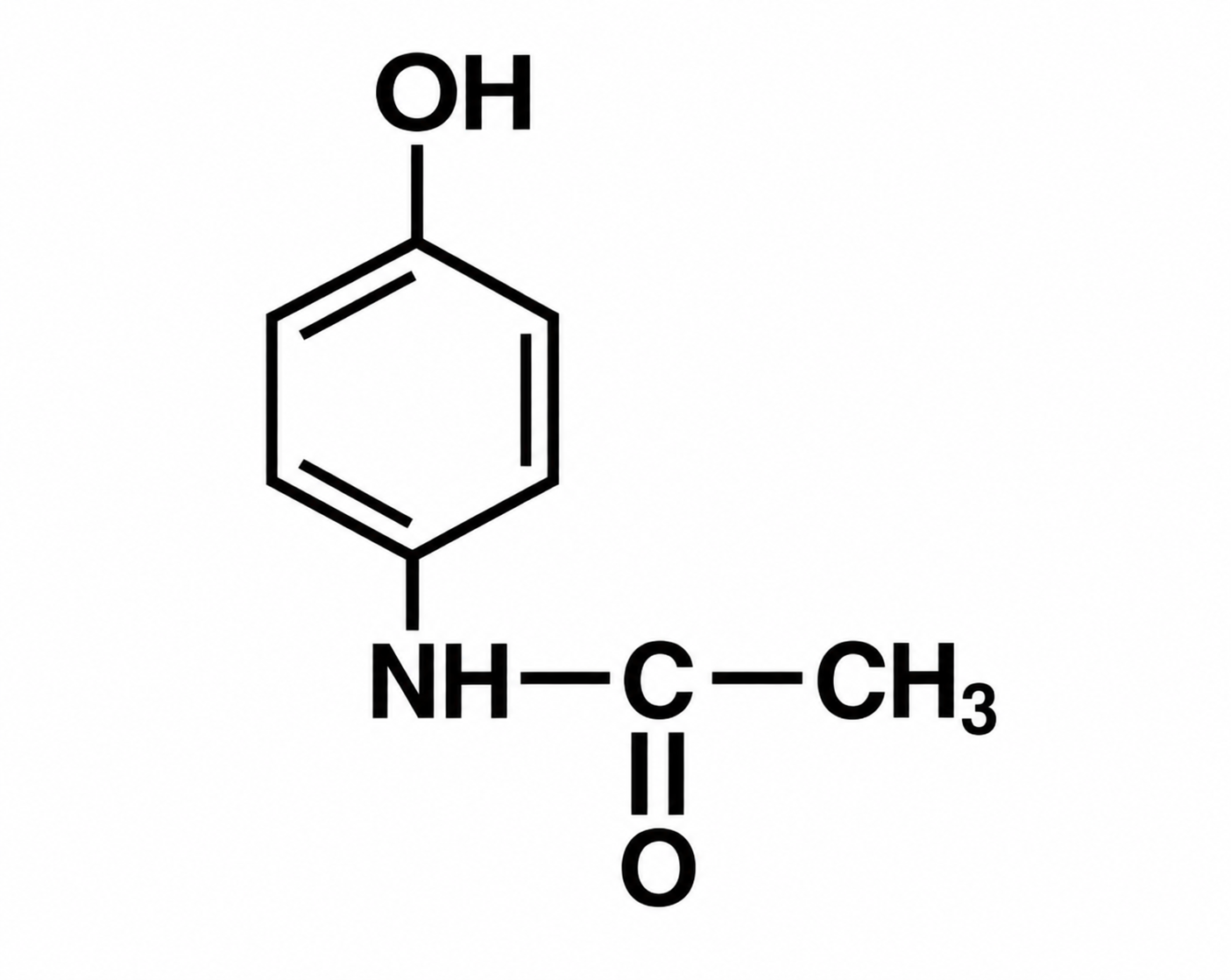
Paracetamol, also called as acetaminophen. Paracetamol is a non-opiate, non-salicylate analgesic and antipyretic agent.
Chemical Name: 4'-hydroxyacetanilide.
Molecular Weight: 151.16 g/mol.
Molecular Formula: C8H9NO2.
Structural formula
Mefenamic Acid
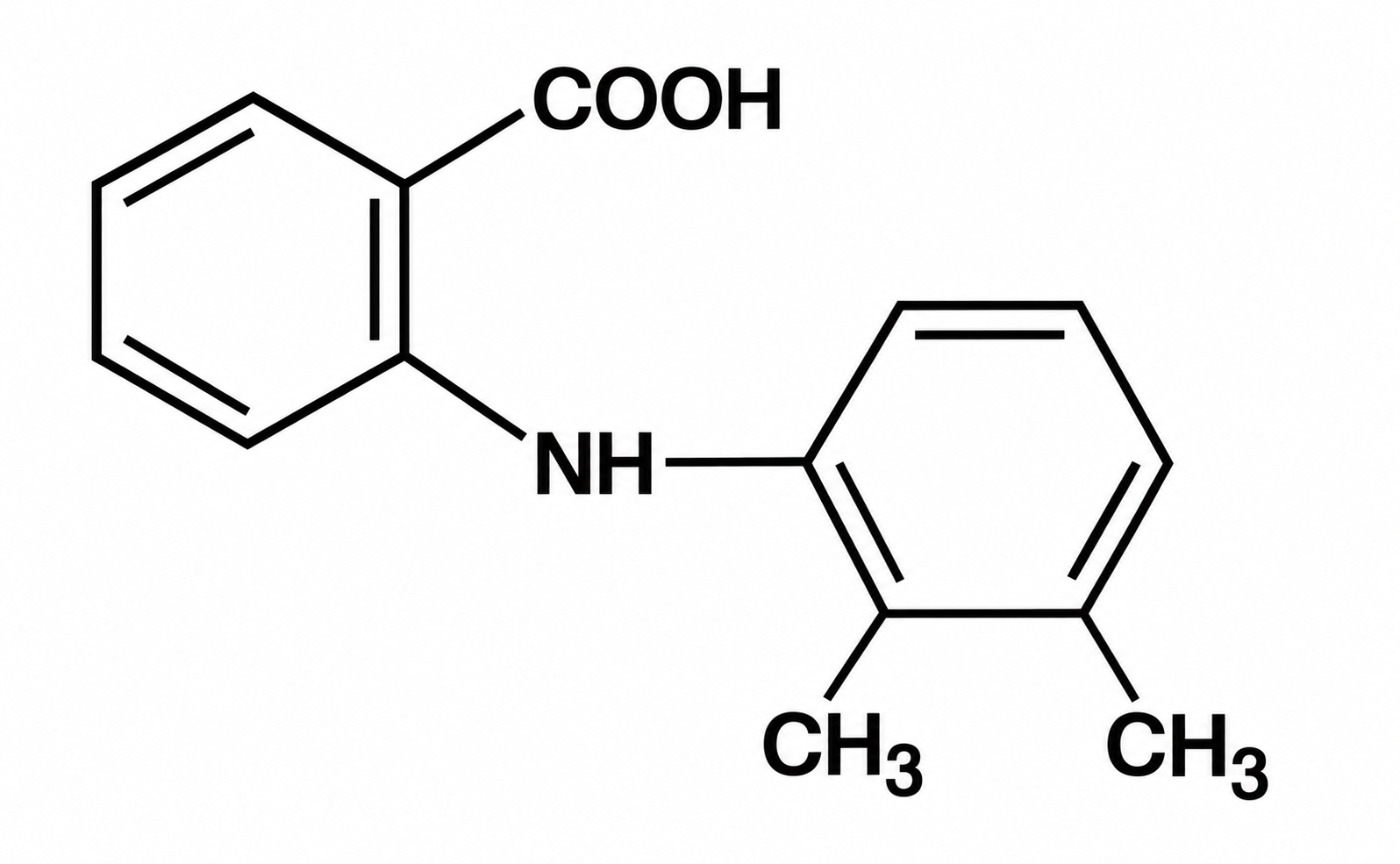
Mefenamic acid is a member of the fenamate group of NSAIDs.
Chemical Name: N-2,3-xylylanthranilic acid.
Molecular Weight: 241.29 g/mol.
Molecular Formula: C15H15NO2
Structural formula
8.0 Pharmaceutical particulars
8.1 Incompatibilities
Not applicable
8.2 Shelf-Life
Refer on the pack
8.3 Packaging Information
8.4 Storage and Handling Instructions
Store protected from light, at a temperature not exceeding 30°C.
Improper storage may deteriorate the product.
Keep the medicine out of reach of children.
SHAKE WELL BEFORE USE.
For paediatric use only. Keep the cap tightly closed after each use.
9.0 Patient Counselling Information
- Ensure the prescribed dose of Mezodol P Suspension is taken as directed.
- Shake Mezodol P suspension well before use each time.
- If pregnant or breast-feeding, ask a health professional before use. Instruct pregnant women not to take Mezodol P Suspension especially in the last 3 months of pregnancy as it may cause harm to the fetus and during labor (delivery) because it may delay the labor and increases risk of bleeding.
- Not to use with any other drug containing paracetamol (prescription or over-the-counter - OTC). Users to ask a doctor or pharmacist, if they are not sure about presence of paracetamol in the drug taken for other illnesses.