Method of administration For oral administration. Pediatric population: Not applicable.
4.3 Contraindications
Hypersensitivity to the active substances or any of the excipients.
Known hypersensitivity to the product, Vitamin B12 deficiency, paroxysmal nocturnal hemoglobinuria, hemosiderosis, haemochromatosis, active peptic ulcer, repeated blood transfusion, regional enteritis and ulcerative colitis.
Ilyp-XT Tablets must not be used in the treatment of anemias other than those due to iron deficiency.
4.4 Special Warnings and Precautions for use
Ilyp-XT Tablets Contains Iron. Keep out of reach and sight of children, as overdose may be fatal.
Some post-gastrectomy patients show poor absorption of iron. Care is needed when treating iron deficiency anemia in patients with treated or controlled peptic ulceration. Caution should be exercised when administering folic acid to patients who may have folate dependent tumors.
Since anemia due to combined iron and vitamin B12 or folate deficiencies may be microcytic in type, patients with microcytic anemia resistant to therapy with iron alone should be screened for vitamin B12 or folate deficiency.
4.5 Drug Interactions
Iron reduces the absorption of penicillamine. Iron compounds impair the bioavailability of fluoroquinolones, levodopa, carbidopa, thyroxine and bisphosphonates.
Absorption of both iron and antibiotic may be reduced if Ilyp-XT is given with tetracycline.
Absorption of both iron and zinc are reduced if taken concomitantly. Concurrent administration of antacids may reduce absorption of iron. Co-trimoxazole, chloramphenicol, sulphasalazine, aminopterin, methotrexate, pyrimethamine or sulphonamides may interfere with folate metabolism. Serum levels of anticonvulsant drugs may be reduced by administration of folate.
Oral chloramphenicol delays plasma iron clearance, incorporation of iron into red blood cells and interferes with erythropoiesis.
Some inhibition of iron absorption may occur if it is taken with cholestyramine, trientine, tea, eggs or milk.
Administration of oral iron may increase blood pressure in patients receiving methyldopa.
Coffee may be a factor in reducing iron bioavailability. Neomycin may alter the absorption of iron.
4.6 Use in special populations
Pregnancy and lactation: Ilyp-XT tablet is suitable for use during pregnancy and breastfeeding.
Fertility: No fertility data is available.
4.7 Effects on Ability to Drive and Use Machines
Ilyp-XT Tablets has no influence on the ability to drive and use machines.
4.8 Undesirable Effects
Side effects may be minimised by taking the product with or after food or by starting with a small dose and increasing gradually. The incidences of undesirable effects are tabulated below. They are listed by system organ class and frequency defined as follows: Very rare (<1/10,000)
Immune System Disorders: Rarely allergic reactions may occur. Rare (≥1/10,000 to <1/1,000): Gastro-intestinal disturbances (e.g. nausea, vomiting, constipation, diarrhoea) Frequency Not known:
Renal and urinary disorders: darkening of the stools may occur.
Metabolism and Nutrition Disorders: Haemosiderosis may occur as a result of excessive or mistaken therapy.
Reporting of Suspected Adverse Reactions
Reporting suspected adverse reactions after authorization of the medicinal product is important. It allows continued monitoring of the benefit/risk balance of the medicinal product. Healthcare professionals are asked to report any suspected adverse reactions via email to: medico@zorvia.com
By reporting side effects, you can help provide more information on the safety of this medicine.
4.9 Overdose
Symptoms: Symptoms and signs of abdominal pain, vomiting and diarrhea appear within 60 minutes. Cardiovascular collapse with coma may follow. Some improvement may occur after this phase which, in some patients, is followed by recovery. In others, after about 16 hours, deterioration may occur involving diffuse vascular congestion, pulmonary edema, convulsions, anuria, hypothermia, severe shock, metabolic acidosis, coagulation abnormalities and hypoglycemia.
Management: Vomiting should be induced immediately, followed as soon as possible by parenteral injection of desferrioxamine mesylate, and then gastric lavage. In the meantime, it is helpful to give milk and/or 5% sodium bicarbonate solution by mouth. Dissolve 2g desferrioxamine mesylate in 2 to 3ml of water for injections and give intramuscularly. A solution of 5g desferrioxamine in 50 to 100ml of fluid may be left in the stomach. If desferrioxamine is not available, leave 300ml of 1% to 5% sodium bicarbonate in the stomach. Fluid replacement is essential. Recovery may be complicated by long-term sequelae such as hepatic necrosis, pyloric stenosis or acute toxic encephalitis which may lead to CNS damage. Pediatric Population: Acute overdose of oral iron requires emergency treatment. In young children 200-250mg/kg Ferrous Ascorbate is considered to be extremely dangerous.
5.0 Pharmacological Properties
5.1 Mechanism of action
Ferrous Ascorbate when administered is converted to ferric form and immediately is reduced to the ferrous form into the stomach. This reduced ferrous form is then transferred to the duodenum where it is highly absorbed. Ferrous Ascorbate has the advantage of providing both ferrous ion and ascorbate in the same compound. There is no dissociation on entering GI Tract due to the stable chelate of iron with ascorbate. Folic Acid itself is biochemically inactive, is converted to tetrahydro folic acid and methyl tetrahydrofolate by dihydrofolate reductase in liver. These folic acid congeners are transported across cells by receptor mediated endocytosis where they are needed to maintain numerous body functions.
5.2 Pharmacodynamic properties
Clinical evidence suggests that a daily intake of 100 mg elemental iron in the ferrous form is generally sufficient to help prevent the development of iron deficiency during pregnancy. If mild iron deficiency is already present at the time Ilyp-XT Tablets are initiated, it may be corrected through the enhanced physiological absorption of iron that occurs during therapy.
The requirement for folate increases significantly during pregnancy, particularly in the second and third trimesters, with the steepest rise occurring in the final trimester. Maternal folate depletion may therefore become evident during this period. The dose of folic acid should be individualized according to the clinical condition; however, the commonly recommended therapeutic dose ranges from 1–3 mg daily. To help maintain adequate maternal tissue folate stores and support normal folate status after delivery, a daily supplementation of approximately 1.5 mg during the second and third trimesters is generally considered appropriate.
5.3 Pharmacokinetic properties
Ferrous ascorbate Absorption: Increased in iron deficiency anaemia Distribution: Transported in a transferring bound form to bone marrow Elimination: Excretion is minimal
Folic Acid Absorption: Well absorbed orally Distribution: Widely distributed in the body and highest concentration is seen in liver. It appears in the CSF and breast milk Metabolism: Metabolized in to N-methyl tetrahydrofolic acid in liver Excretion: Extra drug is excreted unchanged in urine. A small portion of folate is lost by a combination of urinary and fecal excretion and oxidative cleavage of molecule.
6.0 Nonclinical Properties
6.1 Animal Toxicology or Pharmacology
There are no pre-clinical data of relevance.
7.0 Description
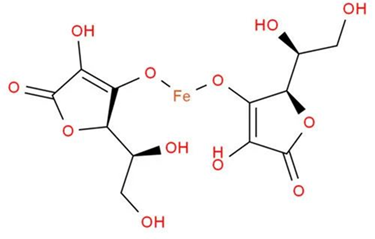
Ferrous Ascorbate is an iron supplement used to treat or prevent low blood levels of iron (such as those caused by anemia or during pregnancy). Ascorbic acid (vitamin C) improves the absorption of iron from the stomach.
Molecular Formula- C12H14FeO12
Molecular Weight: 406.08g/mol
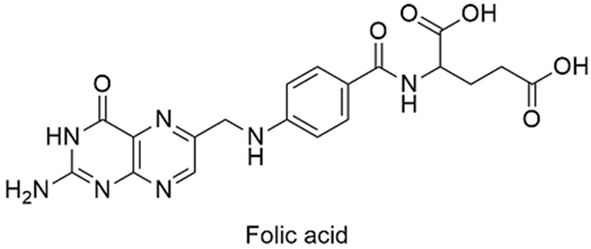
Folic acid is used to treat anemia caused by folate deficiency. Folic acid is also used as a supplement by women during pregnancy to reduce the risk of neural tube defects (NTDs) in the baby.
Molecular Formula-C19H19N7O6
Molecular Weight- 441.4 g/mol
8.0 Pharmaceutical particulars
8.1 Incompatibilities
Not applicable
8.2 Shelf-Life
Refer on pack
8.3 Packaging Information
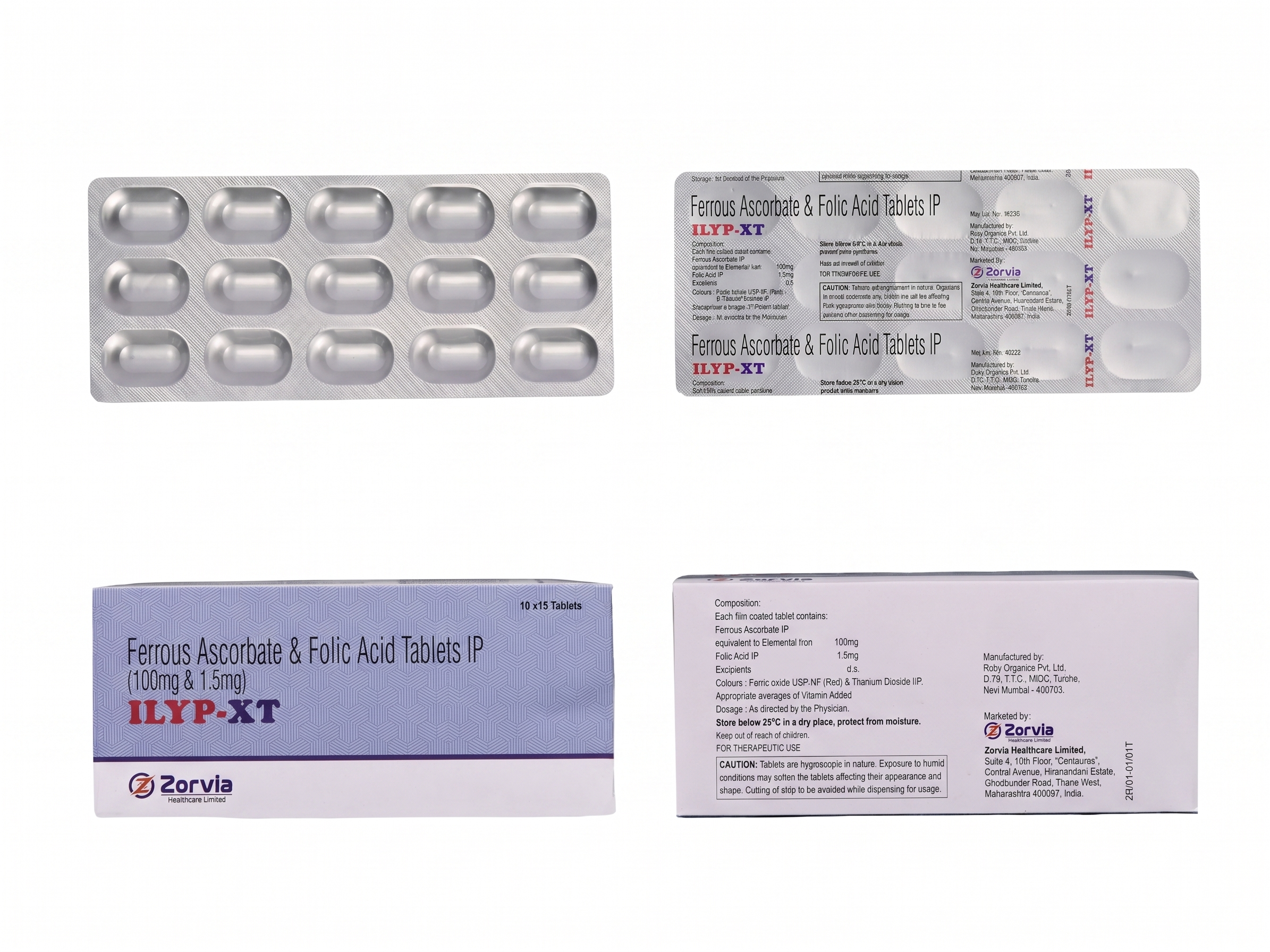
1 X 2’s tablets
8.4 Storage and Handling Instructions
Store below 25°C. Protect from moisture.
9.0 Patient Counselling Information
Do not take Ilyp-XT tablets:
if you are allergic to Ferrous Ascorbate and Folic Acid or any of the other ingredients of this medicine
if you are breast-feeding or trying to become pregnant
if you have been told you suffer from Vitamin B12 deficiency
if you suffer from a blood disorder
if you have had or are having repeated blood transfusions
if you have a stomach ulcer or other digestive conditions such as regional enteritis or ulcerative colitis
if you are suffering from anaemia that is not due to a lack of iron
Tell your doctor if you are taking any other medicines.
If you drink tea, coffee or milk or eat eggs at the same time as taking Ilyp-XT your body may absorb less of the iron supplement, which may reduce the effect of this medicine.
If you are pregnant or think you may be pregnant, ask your doctor for advice before taking this medicine.
Only use if you are more than 13 weeks pregnant. Do not use if you are breast-feeding or trying to become pregnant.
Always take Ilyp-XT Tablets exactly as your doctor has told you. You should check with your doctor or pharmacist if you are not sure.
Swallow the tablet whole with a glass of water.