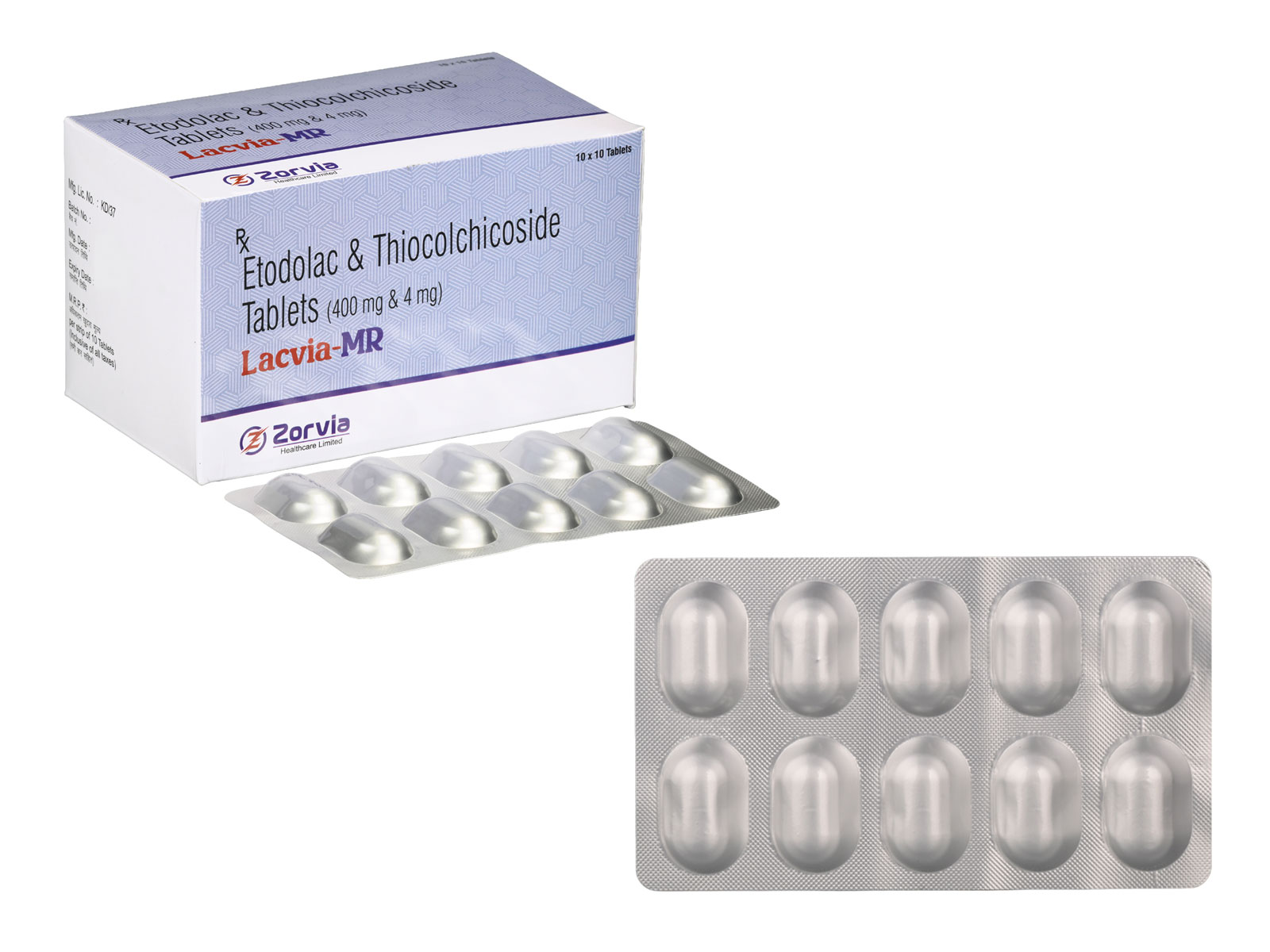
Each film coated tablet contains: Etodolac IP…………………...400 mg Thiocolchicoside IP…………...4 mg Excipients………………………………. q.s. Excipients……………………...…. q.s.
Colours: Red Oxide of Iron & Titanium Dioxide IP
3.0 Dosage Form and Strength
Film coated tablet, Etodolac 400mg and Thiocolchicoside 4mg
4.0 Clinical Particulars
4.1 Therapeutic Indications
For the treatment of patients with acute painful musculoskeletal conditions.
4.2 Posology and Method of Administration
Adults: One tablet two times daily orally.
Paediatric population: Not recommended.
Method of administration: For oral administration.
To be taken preferably with or after food. Swallow the tablet whole with a glass of water.
4.3 Contraindications
Patients with known hypersensitivity to Etodolac and/or Thiocolchicoside.
Pregnancy and lactation.
Women of childbearing potential who are not using effective contraception.
Patients who have experienced asthma, urticaria, or allergic-type reactions after taking aspirin or other NSAIDs.
Lacvia®-MR Tablets should not be used in patients with active or history of recurrent peptic ulceration or a history of peptic ulcer disease.
Lacvia®-MR tablet is not recommended for paediatric use.
4.4 Special Warnings and Precautions for use
Undesirable effects may be minimised by using the lowest effective dose for the shortest duration necessary to control symptoms.
The use of Lacvia®-MR Tablets with concomitant NSAIDs including cyclooxygenase-2-selective inhibitors should be avoided.
Seizures
Thiocolchicoside may precipitate seizures, especially in patients with epilepsy or those at risk for seizures. Thiocolchicoside should not be administered to individuals prone to seizures.
Cardiovascular and Cerebrovascular Effects
COX-2 selective and non-selective NSAIDs have shown an increased risk of serious cardiovascular (CV) thrombotic events, myocardial infarction, and stroke, which can be fatal. Patients with known CV disease or risk factors for CV disease may be at greater risk.
To minimize the potential risk for adverse CV events in patients treated with an NSAID, the lowest effective dose should be used for the shortest duration possible.
NSAIDs, including Etodolac, should be used with caution in patients with hypertension. Blood pressure (BP) should be monitored closely during the initiation of NSAID treatment and throughout therapy.
Fluid retention and edema have been observed in some patients taking NSAIDs.
Lacvia®-MR tablets should be used with caution in patients with fluid retention or heart failure.
Pre-existing Asthma
Patients with asthma may have Aspirin-sensitive asthma. Since cross reactivity, including bronchospasm, between Aspirin and other NSAIDs has been reported in such Aspirin-sensitive patients, Lacvia®-MR tablets should not be administered to patients with this form of Aspirin sensitivity and should be used with caution in patients with pre-existing asthma.
Renal Effects
Long-term administration of NSAIDs has resulted in renal papillary necrosis and other renal injury.
In these patients, administration of a NSAID may cause a dose-dependent reduction in prostaglandin formation and, secondarily, in renal blood flow, which may precipitate overt renal decompensation.
Patients at greatest risk of this reaction are those with impaired renal function, heart failure, liver dysfunction, those taking diuretics and ACE inhibitors, and the elderly.
No information is available from controlled clinical studies regarding the use of Etodolac in patients with advanced renal disease.
Therefore, treatment with Lacvia®-MR tablets is not recommended in these patients with advanced renal disease.
Hepatic Effects
Borderline elevations of one or more liver tests may occur in up to 15% of patients taking NSAIDs including Etodolac.
Lacvia®-MR tablets should be used with caution in patients with hepatocellular insufficiency or non-cirrhotic alcoholic liver disease.
Impairment of renal or hepatic functions due to other causes may alter drug metabolism; patients receiving concomitant long-term therapy, especially the elderly, should be observed for potential side effects and their drug doses adjusted as needed, or the drug discontinued.
Post-marketing cases of cytolytic and cholestatic hepatitis have been reported with Thiocolchicoside.
Severe cases (i.e. fulminant hepatitis) have been reported in patients concomitantly taking NSAIDs or paracetamol.
Patients should be advised to report any sign of liver toxicity.
Gastrointestinal Effects
NSAIDs, including Etodolac, can cause serious gastrointestinal (GI) adverse events including inflammation, bleeding, ulceration, and perforation of the stomach, small intestine, or large intestine, which can be fatal.
Lacvia®-MR tablets should be prescribed with extreme caution to those with a prior history of ulcer disease or gastrointestinal bleeding.
To minimize the potential risk for an adverse GI event in patients, the lowest effective dose should be used for the shortest possible duration.
Most spontaneous reports of fatal GI events are in elderly or debilitated patients and therefore, special care should be taken in treating this population.
Haematological Effects
Anaemia is sometimes seen in patients receiving NSAIDs, including Etodolac, due to fluid retention, occult or gross GI blood loss, or an incompletely described effect upon erythropoiesis.
Patients on long-term treatment with NSAIDs, including Etodolac, should have their haemoglobin or haematocrit checked if they exhibit any signs or symptoms of anaemia.
NSAIDs inhibit platelet aggregation and have been shown to prolong bleeding time in some patients.
Patients receiving Lacvia®-MR tablets who may be adversely affected by alterations in platelet function, such as those with coagulation disorders or patients receiving anticoagulants, should be carefully monitored.
SLE and mixed connective tissue disease:
In patients with systemic lupus erythematosus (SLE) and mixed connective tissue disorders, there may be an increased risk of aseptic meningitis.
Dermatological:
Serious skin reactions, some of them fatal, including exfoliative dermatitis, Stevens-Johnson syndrome, and toxic epidermal necrolysis, have been reported very rarely in association with the use of NSAIDs (see section 4.8).
Patients appear to be at the highest risk for these reactions early in the course of therapy: the onset of the reaction occurs in the majority of cases within the first month of treatment.
Tablets should be discontinued at the first appearance of the skin rash, mucosal lesions, or any other sign of hypersensitivity.
Anaphylactoid Reactions
As with other NSAIDs, anaphylactoid reactions may occur in patients without known prior exposure to Etodolac.
Lacvia®-MR tablets should not be given to patients with the aspirin triad.
Teratogenicity/Embryofoetotoxicity
In preclinical studies, one of the thiocolchicoside metabolites (SL59.0955) induced aneuploidy (i.e. unequal number of chromosomes in dividing cells) at concentrations close to human exposure observed at doses 8 mg twice daily per os.
Aneuploidy is reported as a risk factor for teratogenicity, embryo-fetotoxicity/spontaneous abortion, cancer, and impaired male fertility.
As a precautionary measure, use of this product at doses exceeding the recommended dose or long-term use should be avoided.
Other Precautions
Etodolac cannot be expected to substitute corticosteroids or to treat corticosteroid insufficiency. Abrupt discontinuation of corticosteroids may lead to disease exacerbation.
The pharmacological activity of Lacvia®-MR in reducing fever and inflammation may diminish the utility of these diagnostic signs in detecting complications of presumed non-infectious, painful conditions.
Lacvia®-MR tablets should be used with caution in patients with severe renal insufficiency (creatinine clearance 30 mL/min), Glucose-6-Phosphate Dehydrogenase (G6PD) deficiency, chronic alcoholism, excessive alcohol intake (3 or more alcoholic drinks every day), anorexia, bulimia or cachexia; chronic malnutrition (low reserves of hepatic glutathione), dehydration, and hypovolemia.
In case of diarrhoea, the treatment with Thiocolchicoside should be stopped.
4.5 Drug Interactions
ACE inhibitors: Reports suggest that NSAIDs may diminish the antihypertensive effect of ACE-inhibitors. This interaction should be given consideration in patients taking NSAIDs concomitantly with ACE inhibitors.
Aspirin: When Etodolac is administered with Aspirin, its protein binding is reduced, although the clearance of free Etodolac is not altered.
Other analgesics including cyclooxygenase-2 selective inhibitor: Avoid concomitant use of two or more NSAIDs (including aspirin) as this may increase the risk of adverse effects.
Diuretics: Etodolac can reduce the natriuretic effect of furosemide and thiazides in some patients with possible loss of blood pressure control. Caution should be paid to the concomitant intake of enzyme-inducing agents.
Cardiac glycosides: NSAIDs may exacerbate cardiac failure, reduce GFR and increase plasma glycoside levels.
Lithium: NSAIDs have produced an elevation of plasma Lithium levels and a reduction in renal Lithium clearance. These effects have been attributed to inhibition of renal prostaglandin synthesis by the NSAID. Thus, when NSAIDs and Lithium are administered concurrently, subjects should be observed carefully for signs of Lithium toxicity.
Cyclosporin, Digoxin, Methotrexate: Etodolac, like other NSAIDs, through effects on renal prostaglandins, may cause changes in the elimination of these drugs leading to elevated serum levels of Cyclosporine, Digoxin, Methotrexate, and increased toxicity. Nephrotoxicity associated with Cyclosporine may also be enhanced.
Anti-coagulants: NSAIDs may enhance the effects of anti-coagulants, such as warfarin.
Anti-platelet agents and selective serotonin reuptake inhibitors (SSRIs): Increased risk of gastrointestinal bleeding.
Tacrolimus: Possible increased risk of nephrotoxicity when NSAIDs are given with tacrolimus.
Zidovudine: Increased risk of haematological toxicity when NSAIDs are given with zidovudine. There is an evidence of an increased risk of haemarthroses and haemtoma in HIV (+) haemophiliacs receiving concurrent treatment with zidovudine and ibuprofen.
Bilirubin tests can give a false positive result due to the presence of phenolic metabolites of Lacvia®-MR Tablets in the urine.
Mifepristone: NSAIDs should not be used for 8-12 days after mifepristone administration as NSAIDs can reduce the effect of mifepristone.
Corticosteroids: increased risk of gastrointestinal ulceration or bleeding.
Quinolone antibiotics: animal data indicate that NSAIDs can increase the risk of convulsions associated with quinolone antibiotics. Patients taking NSAIDs and quinolones may have an increased risk of developing convulsions.
Phenylbutazone: Phenylbutazone causes an increase (by about 80%) in the free fraction of Etodolac though the clinical implication of the same is not known.
Chloramphenicol: Increased plasma concentration of chloramphenicol.
4.6 Use in Special Population
Fertility:
The use of Lacvia®-MR Tablets may impair female fertility and is not recommended in women attempting to conceive. In women who have difficulties conceiving or who are undergoing investigation of infertility, withdrawal of Lacvia®-MR Tablets should be considered.
Pregnancy:
In teratology studies, isolated occurrences of alterations in limb development were found and included polydactyly, oligodactyly, syndactyly, and unossified phalanges in rats and oligodactyly and synostosis of metatarsals in rabbits.
Drugs which inhibit prostaglandin biosynthesis may cause dystocia and delayed parturition as evidenced by studies in pregnant animals.
Congenital abnormalities have been reported in association with NSAID administration in man; however, these are low in frequency and do not appear to follow any discernible pattern.
In view of the known effects of NSAIDs on the foetal cardiovascular system, some inhibitors of prostaglandin biosynthesis have been shown to interfere with the risk of closure of the ductus arteriosus, use in the last trimester of pregnancy is contraindicated.
The onset of labour may be delayed and the duration increased with an increased bleeding tendency in both mother and child.
From the 20th week of pregnancy onward, etodolac use may cause oligohydramnios resulting from foetal renal dysfunction.
This may occur shortly after treatment initiation and is usually reversible upon discontinuation.
In addition, there have been reports of ductus arteriosus constriction following treatment in the second trimester, most of which resolved after treatment cessation.
Therefore, during the first and second trimester of pregnancy, etodolac should not be given unless clearly necessary.
If etodolac is used by a woman attempting to conceive, or during the first and second trimester of pregnancy, the dose should be kept as low and duration of treatment as short as possible.
Antenatal monitoring for oligohydramnios and ductus arteriosus constriction should be considered after exposure to etodolac for several days from gestational week 20 onward.
Etodolac should be discontinued if oligohydramnios or ductus arteriosus constriction are found.
During the third trimester of pregnancy, all prostaglandin synthesis inhibitors may expose the fetus to:
cardiopulmonary toxicity (premature constriction/closure of the ductus arteriosus and pulmonary hypertension);
renal dysfunction;
the mother and the neonate, at the end of pregnancy, to:
possible prolongation of bleeding time, an anti-aggregating effect which may occur even at very low doses.
inhibition of uterine contractions resulting in delayed or prolonged labor.
Consequently, etodolac is contraindicated during the pregnancy.
Studies of Thiocolchicoside conducted in animals have shown reproductive toxicity including teratogenic effects.
There are insufficient clinical data to evaluate the safety of use in pregnancy.
Thus, the potential hazards for the embryo and fetus are unknown.
In consequence, Thiocolchicoside is contraindicated in pregnancy and women of childbearing potential who are not using effective contraception.
Lactation:
Since it passes into the mother's milk, the use of Thiocolchicoside is contraindicated during breast feeding.
Many drugs are excreted in human milk and because of the potential for serious adverse reactions in nursing infants from Etodolac, a decision should be made whether to discontinue nursing or to discontinue the drug taking into account the importance of the drug to the mother.
Lacvia®-MR Tablets are contraindicated in lactating mothers.
Pediatric use:
Safety and effectiveness in pediatric patients below the age of 18 years have not been established.
Geriatric use:
As with any NSAID, caution should be exercised in treating the elderly (65 years and older) and when increasing the dose.
Elderly patients may be more sensitive to the anti-prostaglandin effects of NSAIDs (on the gastrointestinal tract and kidneys) than younger patients.
In particular, elderly or debilitated patients who receive NSAID therapy seem to have a lower tolerance for gastrointestinal ulceration or bleeding as compared to other individuals, and most spontaneous reports of fatal GI events are in this population.
Etodolac is eliminated primarily by the kidney.
Because elderly patients are more likely to have decreased renal function, care should be taken in dose selection, and it may be useful to monitor renal function.
4.7 Effects on Ability to Drive and Use Machines
There is no data available regarding the effect of Lacvia®-MR on driving vehicles and using machines.
It may cause dizziness or somnolence.
So, you should not drive or operate heavy machinery if you feel dizzy or not fully alert.
4.8 Undesirable Effects
Most frequently reported adverse reactions (approx. 1 - 10%):
Other events including: abnormal renal function, anemia, dizziness, edema, elevated liver enzymes, headaches, increased bleeding time, pruritis, rashes, tinnitus.
Additional NSAID Adverse Experiences Reported Occasionally with
Body as a whole: Allergic skin reactions, anaphylactic / anaphylactoid reactions (including shock), chills, fever, sepsis.
Digestive system: diarrhoea, nausea, vomiting, anorexia, cholestatic hepatitis / jaundice, dry mouth, duodenitis, esophagitis, gastritis, gastric peptic ulcers, glossitis, hepatic failure, hepatitis, hematemesis, intestinal ulceration, jaundice, liver necrosis, melena, pancreatitis, rectal bleeding, stomatitis. Less frequently, gastritis has been observed. Pancreatitis has been reported very rarely.
Hypersensitivity: Hypersensitivity reactions have been reported following treatment with NSAIDs. These may consist of (a) non-specific allergic reactions and anaphylaxis (b) respiratory tract reactivity comprising asthma, aggravated asthma, bronchospasm or dyspnoea, or (c) assorted skin disorders, including rashes of various types, pruritus, urticaria, purpura, angioedema and more rarely exfoliative and bullous dermatoses (including epidermal necrolysis and erythema multiforme).
Oedema, hypertension and cardiac failure have been reported in association with NSAID treatment.
Clinical trial and epidemiological data suggest that use of some NSAIDs (particularly at high doses and in long term treatment) may be associated with an increased risk of arterial thrombotic events (for example myocardial infarction or stroke).
Hepatic: Abnormal liver function, cytolytic and cholestatic hepatitis and jaundice.
Metabolic and nutritional: hyperglycaemia in previously controlled diabetic patients.
Neurological and special senses: Visual disturbances, somnolence, photophobia, blurred vision, optic neuritis, headaches, paraesthesia, reports of aseptic meningitis (especially in patients with existing auto-immune disorders, such as systemic lupus erythematous, mixed connective tissue disease), with symptoms such as stiff neck, headache, nausea, vomiting, fever or disorientation, depression, confusion, hallucinations, tinnitus, vertigo, dizziness, malaise, fatigue, and drowsiness.
Syncope vasovagal, convulsions may be seen with Thiocolchicoside.
Blood and lymphatic system: Agranulocytosis, ecchymosis, eosinophilia, hemolytic anemia, leukopenia, neutropenia, pancytopenia, purpura, thrombocytopenia and aplastic anaemia.
There have been reports of blood dyscrasias including methaemoglobenaemia and agranulocytosis, but these were not necessarily causality related to paracetamol.
Respiratory system: Asthma, dyspnea, pulmonary infiltration with eosinophilia.
Dermatological: Bullous reactions including Stevens Johnson Syndrome and Toxic Epidermal Necrolysis (very rare). Photosensitivity. Angioedema, cutaneous vasculitis with purpura, erythema multiforme, hyperpigmentation, sweating, urticaria, vesiculobullous rash.
Urogenital system: Dysuria, elevated BUN, oliguria / polyuria, proteinuria, renal failure, renal insufficiency, renal papillary necrosis, serum creatinine increase, urinary frequency, Nephrotoxicity in various forms, including interstitial nephritis, nephrotic syndrome.
Reporting suspected adverse reactions after authorization of the medicinal product is important. It allows continued monitoring of the benefit/risk balance of the medicinal product.
Healthcare professionals are asked to report any suspected adverse reactions via email to:
medico@zorvia.com
By reporting side effects, you can help provide more information on the safety of this medicine.
In cases of significant poisoning acute renal failure and liver damage are possible.
Management: Patients should be treated symptomatically as required.
Within one hour of ingestion of a potentially toxic amount, activated charcoal should be considered.
Alternatively, in adults, gastric lavage should be considered within one hour of indigestion of a potentially life-threatening overdose.
Good urine output should be ensured.
Renal and liver function should be closely monitored.
Patients should be observed for at least four hours after ingestion of potentially toxic amounts.
Frequent or prolonged convulsions should be treated with intravenous diazepam.
Other measures may be indicated by the patient's clinical condition.
The standard practices of gastric lavage activated charcoal administration, and general supportive therapy should be undertaken.
Thiocolchicoside
No specific symptoms of overdose have been reported in patients treated with Thiocolchicoside.
Management Should overdosage occur, medical supervision and symptomatic measures are recommended.
5.0 Pharmacological Properties
5.1 Mechanism of Action
Etodolac
Etodolac is a nonsteroidal anti-inflammatory drug (NSAID) that exhibits anti-inflammatory, analgesic, and antipyretic activities in animal models.
Thiocolchicoside
Thiocolchicoside is a sulfur-containing, semi-synthetic analog of colchicine, a natural colchicum glucoside found in “meadow-saffron” which behaves pharmacologically as a muscle relaxant, both in humans and in animals.
It is a muscle relaxant with anti-inflammatory and analgesic effects.
It eliminates or substantially decreases centrally originating muscle contracture: in spastic hypertonia, it reduces the muscle’s passive resistance to stretching and decreases, or removes, the residual contracture.
Its muscle-relaxing effect can also be observed in the visceral muscles: it has, in particular, been demonstrated in the uterus.
However, Thiocolchicoside has no curariform effect, since it acts through the central nervous system rather than paralyzing the muscle’s motor plaque.
5.2 Pharmacodynamic Properties
Etodolac
Inhibition of prostaglandin synthesis and COX-2 selectivity: All non-steroidal anti-inflammatory drugs (NSAIDs) have been shown to inhibit the formation of prostaglandins.
It is this action which is responsible both for their therapeutic effects and some of their side-effects.
The inhibition of prostaglandin synthesis observed with etodolac differs from that of other NSAIDs.
In an animal model at an established anti-inflammatory dose, cytoprotective PGE concentration in the gastric mucosa have been shown to be reduced to a lesser degree and for a shorter period than other NSAIDs.
This finding is consistent with subsequent in-vitro studies which have found etodolac to be selective for induced cyclo-oxygenase 2 (COX-2, associated with inflammation) over COX-1 (cytoprotective).
Furthermore, studies in human cell models have confirmed that etodolac is selective for the inhibition of COX-2.
The clinical benefit of preferential COX-2 inhibition over COX-1 has yet to be proven.
Anti-inflammatory effects: Experiments have shown etodolac to have marked anti-inflammatory activity, being more potent than several clinically established NSAIDs.
Thiocolchicoside
Thiocolchicoside has a selective and potent affinity for g-aminobutyric acid A (GABA-A) receptors and acts on muscular contractures by activating the GABA inhibitory pathways thereby behaving as a potent muscle relaxant.
GABA is the main inhibitory neurotransmitter in the human cortex.
GABAergic neurons are involved in myorelaxation, anxiolytic treatment, sedation, and anesthetics.
It also has an affinity for the inhibitory glycine receptors (i.e., has glycomimetic and GABA mimetic activity) and, therefore acts as a muscle relaxant.
Glycine is an inhibitory neurotransmitter and acts as an allosteric regulator of NMDA (N-methyl-D-aspartate) receptors.
It is involved in the processing of motor and sensory data, thereby regulating movement, vision, and audition.
Inhibitory neurotransmitter in spinal cord, allosteric regulator of NMDA receptors.
In one study, thiocolchicoside inhibited the function of recombinant human strychnine-sensitive glycine receptors composed of the alpha1 subunit with a potency (median inhibitory concentration of 47 micron) lower than that apparent with recombinant GABA(A) receptors.
The drug also inhibited the function of human nicotinic acetylcholine receptors made of the alpha4 and beta2 subunits, however, this effect was partial and only apparent at high concentrations.
5.3 Pharmacokinetic Properties
Etodolac
In man, etodolac is well absorbed following oral administration.
Etodolac is highly bound to serum proteins.
The elimination half-life averages seven hours in man.
The primary route of excretion is in the urine, mostly in the form of metabolites.
In subjects receiving daily doses of etodolac SR 400mg or 600mg to steady state levels over a three-day period, the peak plasma concentrations were 7.5μg/ml at 7.9 hours and 11.9μg/ml at 7.8 hours.
Thiocolchicoside
After oral administration, no thiocolchicoside is detected in plasma.
Only two metabolites are observed: The pharmacologically active metabolite SL18.0740 and an inactive metabolite SL59.0955.
For both metabolites, maximum plasma concentrations occur 1hour after thiocolchicoside administration.
After a single oral dose of 8 mg of thiocolchicoside the Cmax and AUC of SL18.0740 are about 60 ng/mL and 130 ng.h/mL respectively.
For SL59.0955 these values are much lower: Cmax around 13 ng/mL and AUC ranging from 15.5 ng.h/mL (until 3h) to 39.7 ng.h/mL (until 24h).
After oral administration, thiocolchicoside is first metabolized in the aglycon 3 demethyltiocolchicine or SL59.0955.
This step mainly occurs by intestinal metabolism explaining the lack of circulating unchanged thiocolchicoside by this route of administration.
SL59.0955 is then glucuroconjugated into SL18.0740 which has equipotent pharmacological activity to thiocolchicoside and thus supports the pharmacological activity after oral administration of thiocolchicoside.
SL59.0955 is also demethylated into didemethyl-thiocolchicine.
After oral administration, total radioactivity is mainly excreted in feces (79%) while urinary excretion represents only 20%.
No unchanged thiocolchicoside is excreted either in urine or feces.
SL18.0740 and SL59.0955 are found in urine and feces while the didemethyl-thiocolchicine is only recovered in feces.
After oral administration of thiocolchicoside, the SL18.0740 metabolite is eliminated with an apparent t1/2 ranging from 3.2 to 7 hours and the metabolite SL59.0955 has a t1/2 averaging 0.8h.
6.0 Nonclinical Properties
6.1 Animal Toxicology or Pharmacology
Etodolac
Not available
Thiocolchicoside
Thiocolchicoside safety profile has been assessed in vitro and in vivo following parenteral and oral administration.
Acute Toxicity- At higher doses, thiocolchicoside induced emesis in dog, diarrhea in rat and convulsions in both rodents and non-rodents after acute administration by oral route.
Chronic Toxicity- Thiocolchicoside was well tolerated following oral administration for periods of up to 6 months in both the rat and the non-human primate when administered at repeated doses of less than or equal to 2mg/kg/day in the rat and less or equal to 2.5mg/kg/day in non-human primate, and by the intramuscular route in the primate at repeated doses upto 0.5mg/kg/day for 4 weeks.
After repeated administration, thiocolchicoside induced gastrointestinal disorders (enteritis, emesis) by oral route and emesis by i.m. route.
Carcinogenicity- The carcinogenic potential was not evaluated.
Genotoxicity Thiocolchicoside itself did not induce gene mutation in bacteria (Ames test), in vitro chromosomal damage (chromosome aberration test in human lymphocytes) and in vivo chromosomal damage (in vivo intraperitoneal micronucleus in mouse bone marrow).
The major glucuro-conjugated metabolite SL18.0740 did not induce gene mutation in bacteria (Ames test); however it induced in vitro chromosomal damage (in vitro micronucleus test on human lymphocytes) and in vivo chromosomal damage (in vivo oral micronucleus test in mouse bone marrow).
The micronuclei predominantly resulted from chromosome loss (centromere positive micronuclei after FISH centromere staining), suggesting aneugenic properties.
The aneugenic effect of SL18.0740 was observed at concentrations in the in vitro test and at AUC plasma exposures in the in vivo test higher (> 10 times based on AUC) than those observed in human plasma at therapeutic doses.
The aglycon metabolite (3-demethylthiocolchicine-SL59.0955) induced in vitro chromosomal damage (in vitro micronucleus test on human lymphocytes) and in vivo chromosomal damage (in vivo oral micronucleus test in rat bone marrow).
The micronuclei predominantly resulted from chromosome loss (centromere positive micronuclei after FISH or CREST centromere staining), suggesting aneugenic properties.
The aneugenic effect of SL59.0955 was observed at concentrations in the in vitro test and at exposures in the in vivo test close to those observed in human plasma at therapeutic doses of 8 mg twice daily per os.
Aneugenic effect in dividing cells may result in aneuploid cells.
Aneuploidy is a modification in the number of chromosomes and loss of heterozygosity, which is recognized as a risk factor for teratogenicity, embryo-toxicity/spontaneous abortion, impaired male fertility, when impacting germ cells and cancer when impacting somatic cells.
Teratogenicity.
In the rat, a dose of 12 mg/kg of thiocolchicoside caused major malformations along with foetotoxicity (retarded growth, embryo death, impairment of sex distribution rate).
The dose without toxic effect was 3 mg/kg.
In the rabbit, thiocolchicoside showed maternotoxicity starting from 24 mg/kg.
Furthermore, minor abnormalities have been observed (supernumerary ribs, retarded ossification).
Impairment of Fertility
In a fertility study performed in rats, no impairment of fertility was seen at doses up to 12 mg/kg, i.e. at dose levels inducing no clinical effect.
Thiocolchicoside and its metabolites exert aneugenic activity at different concentration levels, which is recognized as a risk factor for impairment of human male fertility.
7.0 Description
Etodolac
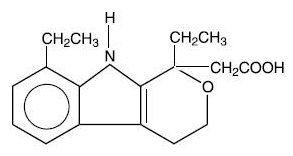
Etodolac is member of the pyranocarboxylic acid group of nonsteroidal anti-inflammatory drugs (NSAIDs).
Chemical name: (±) 1,8-diethyl-1,3,4,9-tetrahydropyrano-[3,4-b]indole-1-acetic acid
Molecular weight: 287.36
Molecular formula: C17H21NO3
Structural formula:
Thiocolchicoside
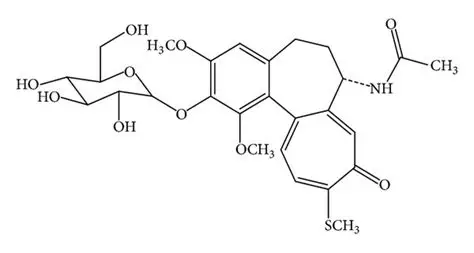
Thiocolchicoside is a semi-synthetic derivative of the colchicine, a natural anti-inflammatory glycoside. It is a muscle relaxant with anti-inflammatory and analgesic effects.
Chemical Name:
N-[(7S)-1,2-dimethoxy-10-(methylthio)-9-oxo-3-[[(2S,3R,4S,5S,6R)-3,4,5-trihydroxy-6-(hydroxymethyl)-2-oxanyl]oxy]-6,7-dihydro-5H-benzo[a]heptalen-7-yl]acetamide is a glycoside.
Molecular Formula: C27H33NO10S
Molecular Weight: 563.6 g/mol
Structural formula:
8.0 Pharmaceutical Particulars
8.1 Incompatibilities
None.
8.2 Shelf-Life
Refer on pack.
8.3 Packaging Information
10×10 Tablet
8.4 Storage and Handling Instructions
Store below 30°C. Protect from light & moisture.
Keep out of reach of children.
9.0 Patient Counselling Information
Take it with food to avoid getting an upset stomach.
The drug should be taken precisely as it has been prescribed. Meant for oral consumption, Lacvia®-MR Tablet should be taken whole. Do not chew or crush it as it may reduce its effect on the body.
It is best that you do not stop the medication mid-course as the pain may reoccur. Complete the entire treatment course for the best results.
Avoid consuming alcohol when taking Lacvia®-MR Tablet as it may cause excessive drowsiness and increase the risk of liver damage.
Do not take it with any other medicine containing acetaminophen (drugs for pain/fever or cough and cold) without asking your doctor first.